10 Interior Design Tips for Your Renovation Project
These interior design tips can turn a renovation that feels like two separate projects into one smooth, well-planned process. Whether you’re extending a family home or restoring a period property, interior design shouldn’t be an afterthought — it works best when it’s part of the plan from day one, not something bolted on once the building work is finished.
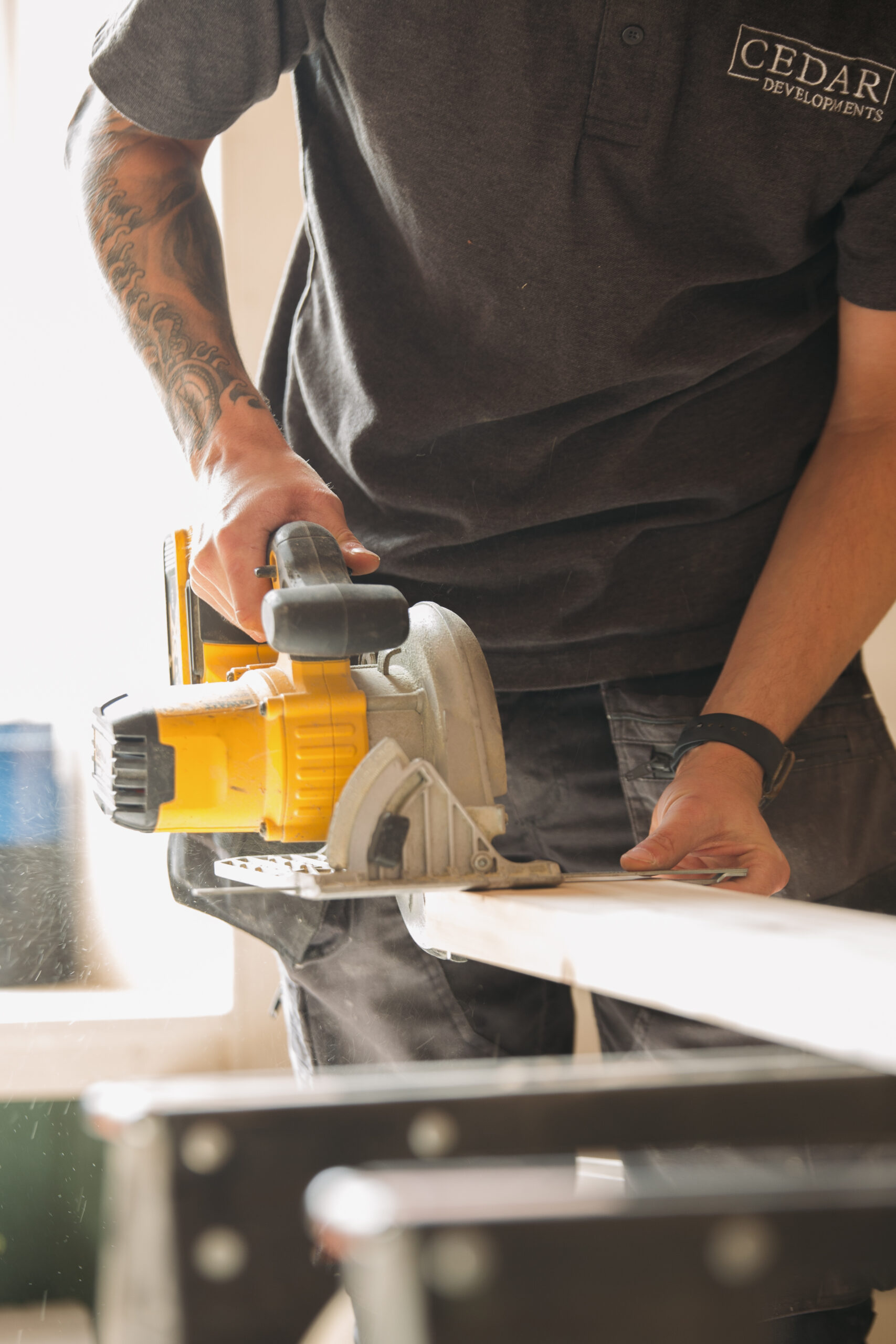
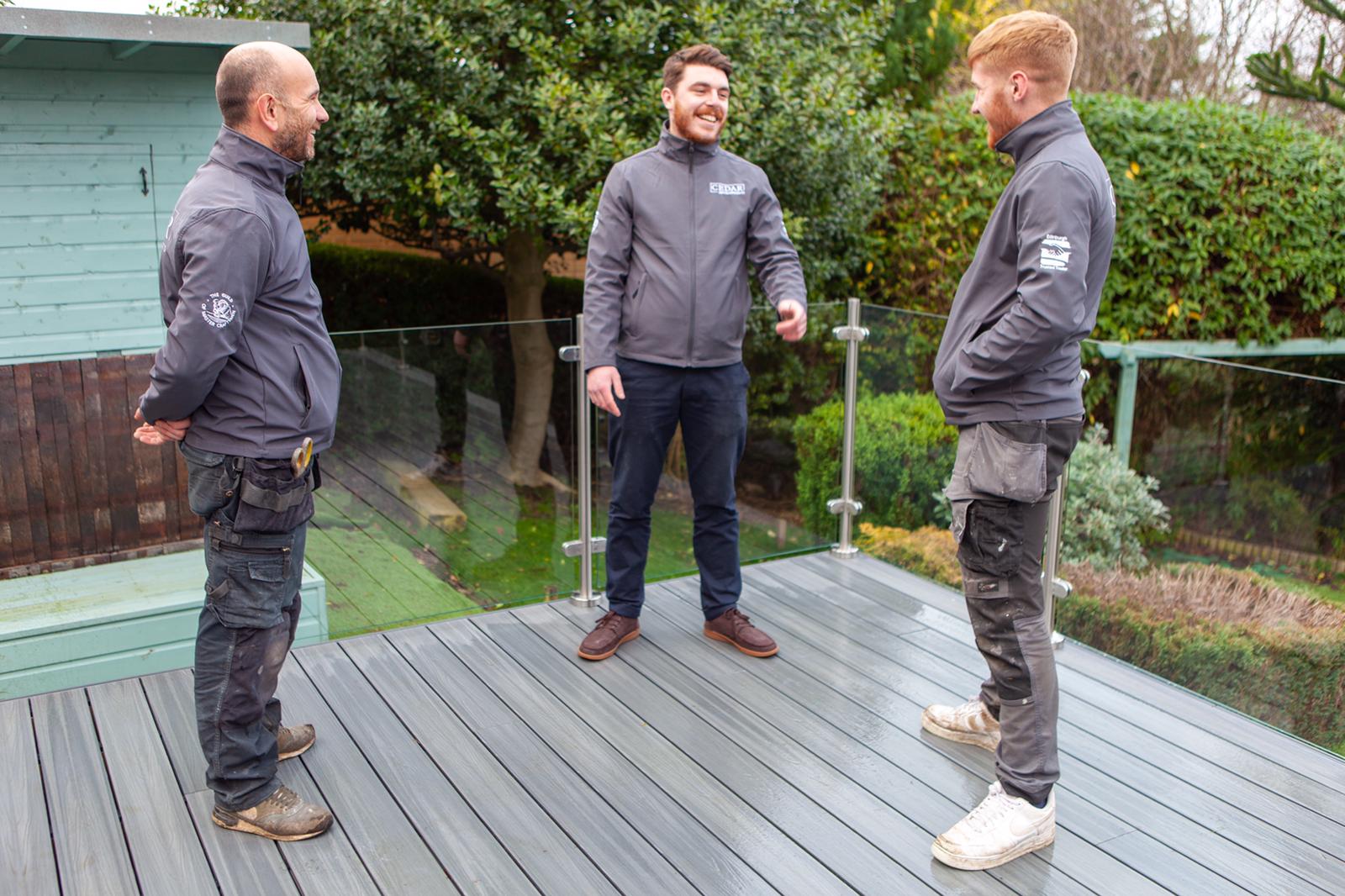
At Cedar Developments, our in-house interior design team works alongside our joiners, site managers and trades throughout every project, rather than handing a finished scheme over to be interpreted by someone else. Here’s why that matters, and what to think about early.
10 Essential Interior Design Tips for a Smoother Renovation
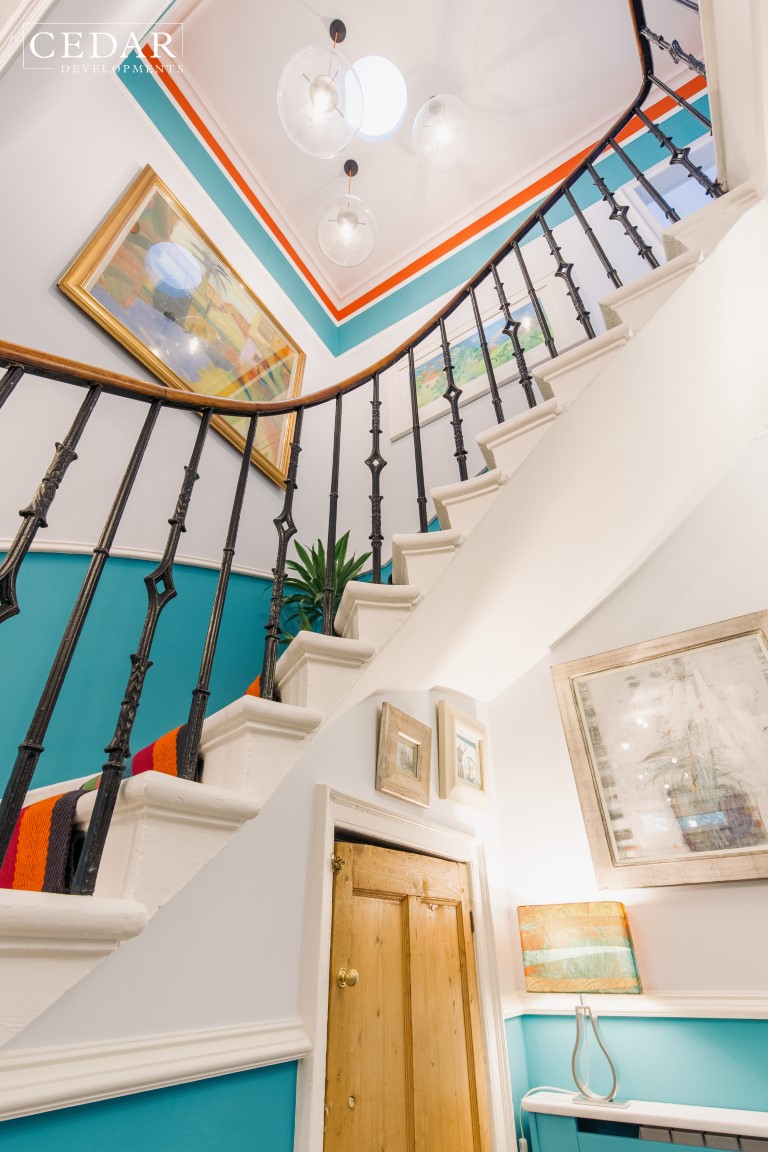
1. Get an extra eye for detail. Involving an interior designer from the start brings a second, trained perspective on every decision, from space planning to fixture selection — the difference between a renovation that simply functions and one where every detail has been considered.
2. Plan the space properly, early. Interior designers are skilled at making the most of the space you actually have, balancing comfort with efficiency. Getting this right early avoids expensive layout changes later and turns awkward rooms into practical, well-used spaces.
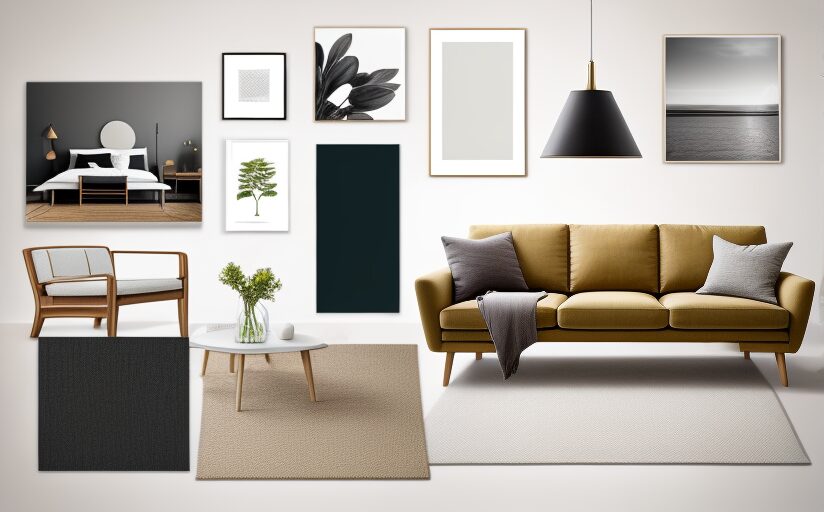
3. Keep the timeline realistic. When designers, architects and contractors are collaborating rather than working in sequence, decisions get made faster and the project stays on track — fewer handoffs mean fewer delays.
4. Think about resale value, not just your own taste. Thoughtfully designed spaces are more appealing to buyers and tend to add real value to a property. Good design is one of the few renovation costs that pays for itself.
5. Use trade discounts to your advantage. Interior designers often have access to trade pricing on materials and finishes, which can help offset design fees — and involving them early helps avoid costly mistakes from incompatible materials or last-minute changes.
6. Aim for a cohesive finish, not room-by-room decisions. A good designer ties every room together around a consistent look that reflects how you actually want to live — the difference between a house renovated piecemeal and a home that feels considered throughout.
7. Let one team carry the stress, not you. Managing trades, decisions and timelines on a renovation is a lot to take on. Working with a firm that includes interior design in-house means one team is responsible for the whole project, not just parts of it.
8. Get the technical details right, early. Good interior design isn’t just mood boards — it includes technical drawings and 3D visualisation that let you see exactly how a space will work before anything starts on site, meaning fewer surprises (and fewer costly changes) once construction is underway.
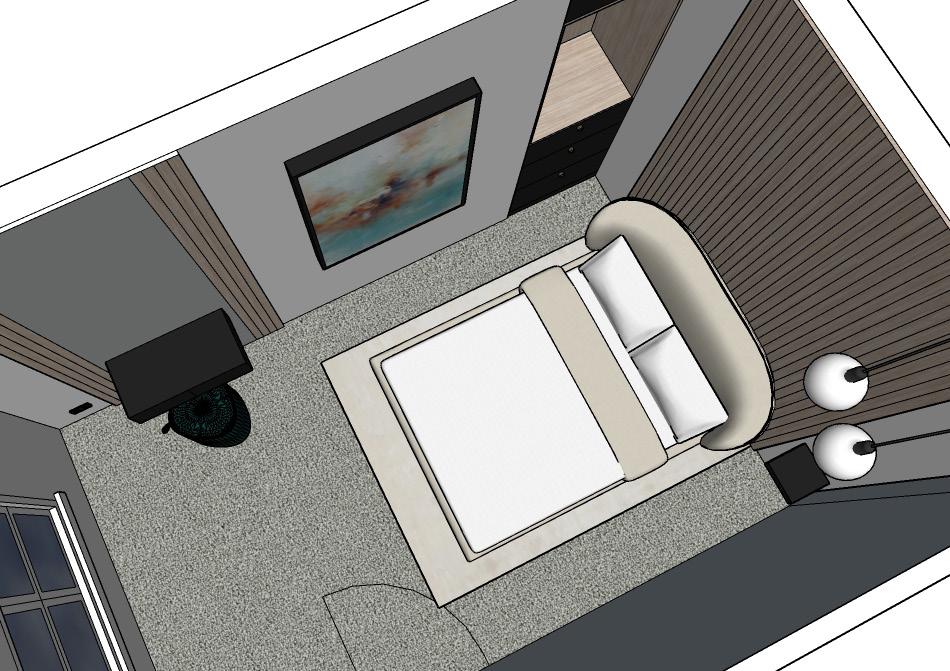
9. Don’t underestimate bespoke storage. Period rooms and awkward layouts rarely suit off-the-shelf furniture. Custom joinery — fitted wardrobes, alcove storage, tailored cabinetry — makes far better use of the space than anything bought ready-made.
10. Check what consent allows before you design. If you’re renovating a listed building or a property in a conservation area, it’s worth checking what listed building consent will and won’t allow before a design is finalised — it saves redesigning a scheme that was never going to be approved. More on this in our guide to interior design for period and listed properties.
Conclusion
Integrating interior design into your renovation project — from the very first conversation — pays off in better layouts, smoother timelines, real cost savings, and a home that feels genuinely finished, not just built. At Cedar Developments, our interior designer Clare works alongside our trades on every project, so design and construction move as one process rather than two. Contact us today to talk through your renovation.